What Is Geology?
Geology is the scientific discipline that examines the composition, structure, and evolution of the Earth’s crust, the processes that shape it, and the effects of these processes on humans and life. With advancements in modern technology, the scope of services provided by Geological Engineering has expanded significantly.
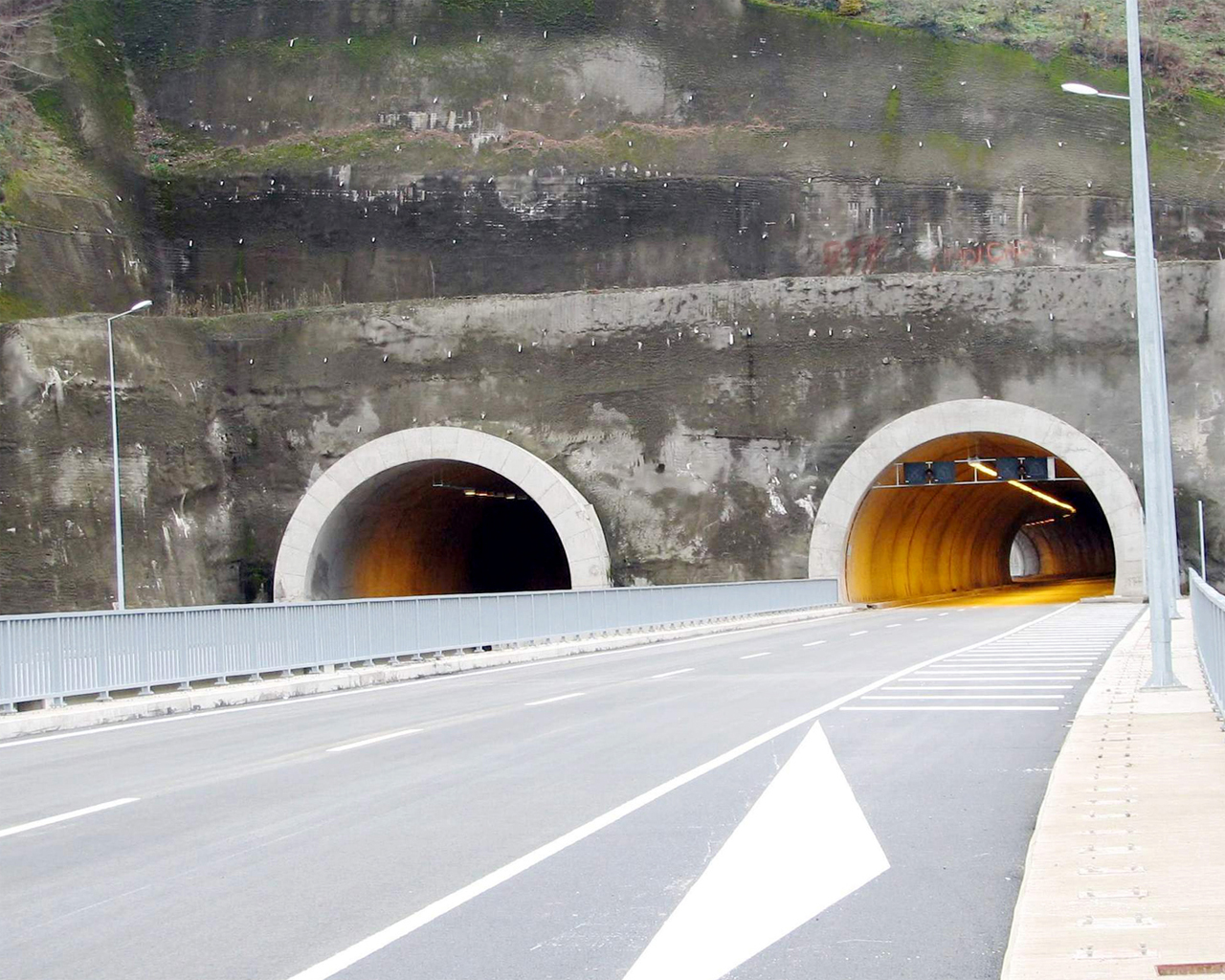
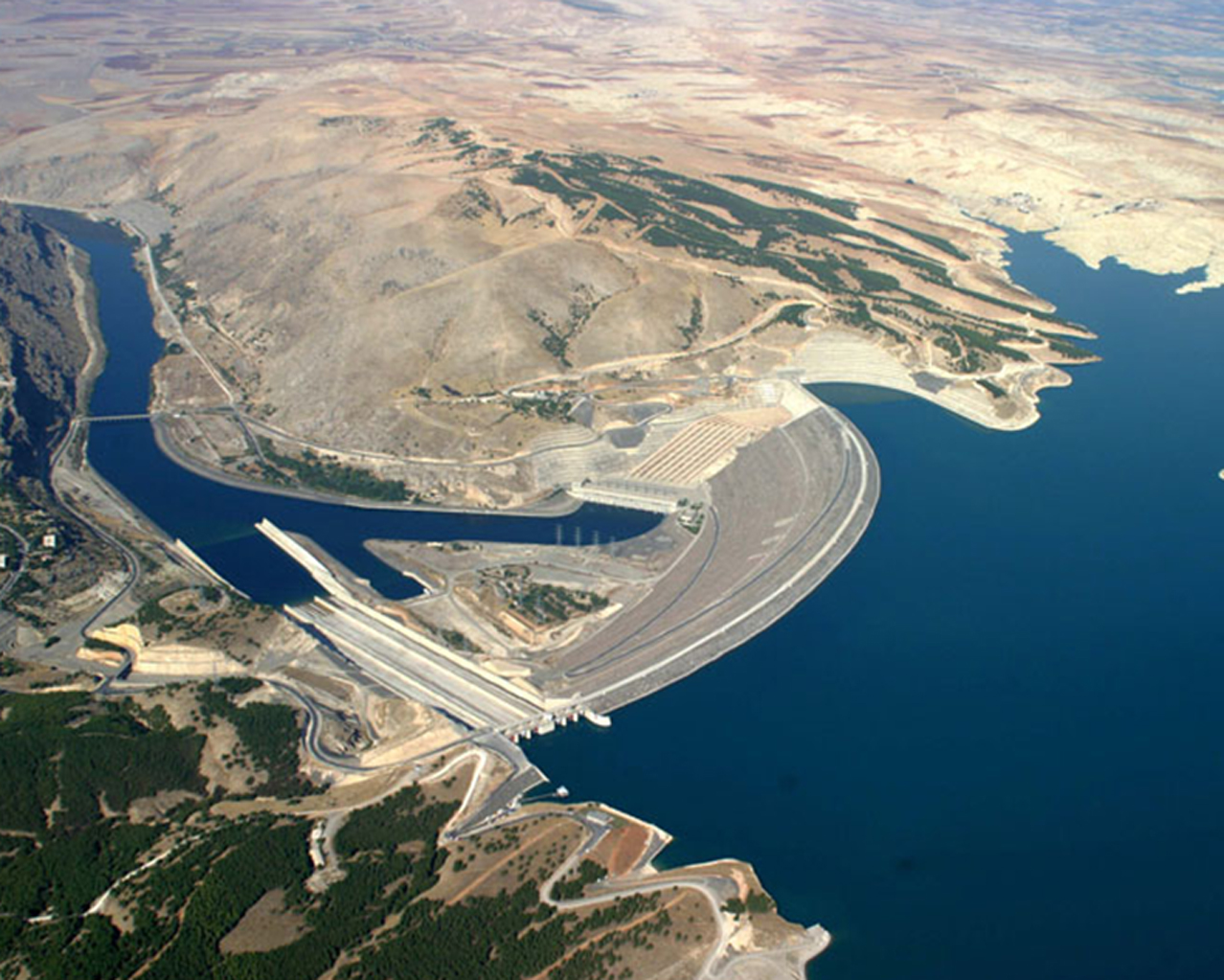
Graduates of our department are involved in the planning, design, and construction stages of various engineering structures built on the Earth’s crust, including dams, tunnels, roads, bridges, pipelines, power plants, buildings, and other infrastructure projects.

They actively take part in preparing settlement suitability maps and conducting ground and site investigations by considering all geological parameters of urban planning, including land-use planning, site selection decisions, excavability of the ground, groundwater depth, aggregate resources, and natural hazard potential. By investigating the necessary geological and geotechnical infrastructure for engineering structures built to meet societal needs, they contribute to improving the quality of human life.
In addition, geological engineers apply their geological knowledge to the utilization of subsurface energy resources. They carry out studies on the exploration, investigation, and integration into the national economy of natural resources—such as petroleum, natural gas, geothermal energy, water resources, and mineral deposits—which are formed through specific geological processes within the Earth’s crust and are of undeniable importance to the national economy and human living standards. The identification of the geological environments in which such natural resources may occur can only be revealed through the fundamental studies conducted by expert geological engineers.
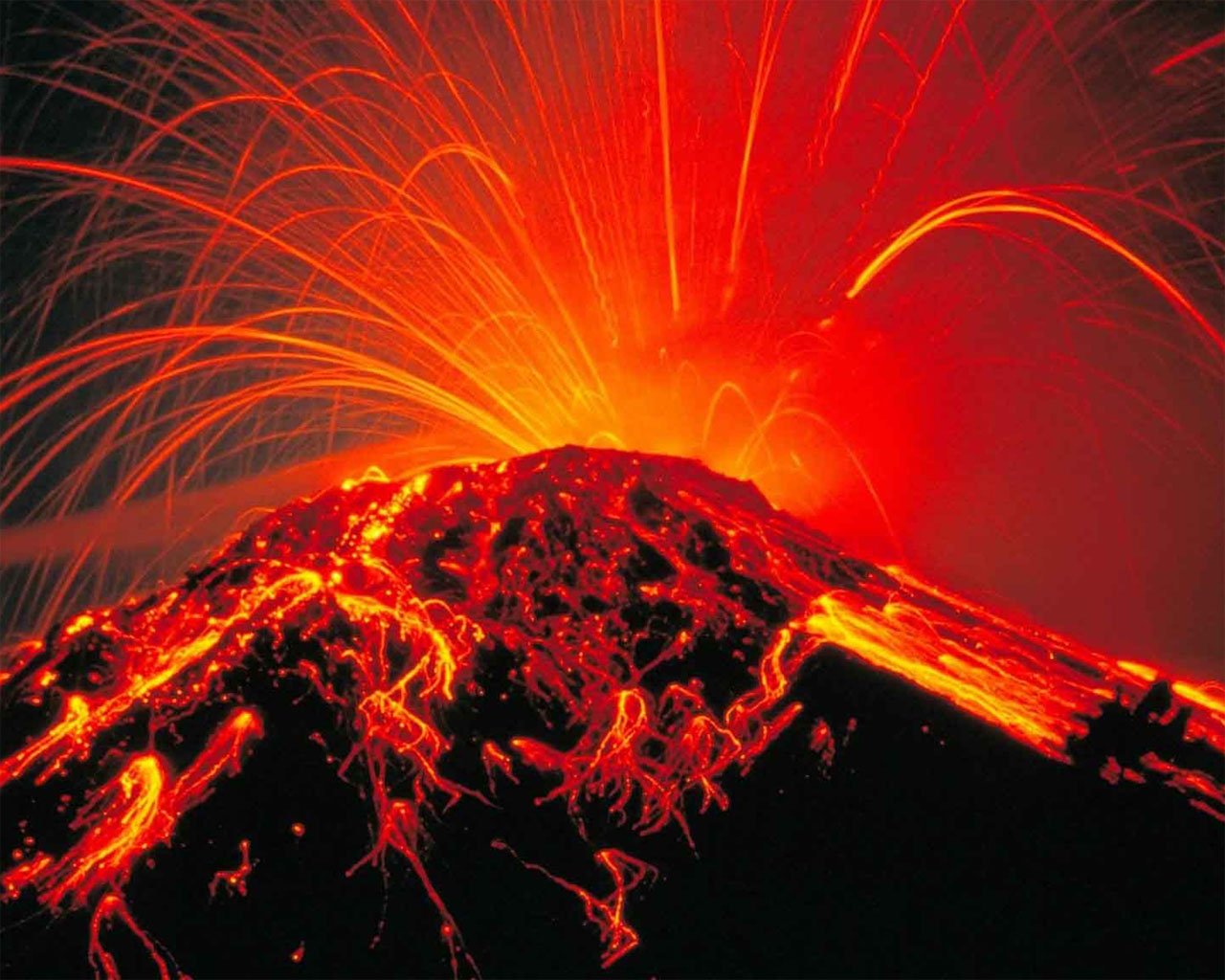
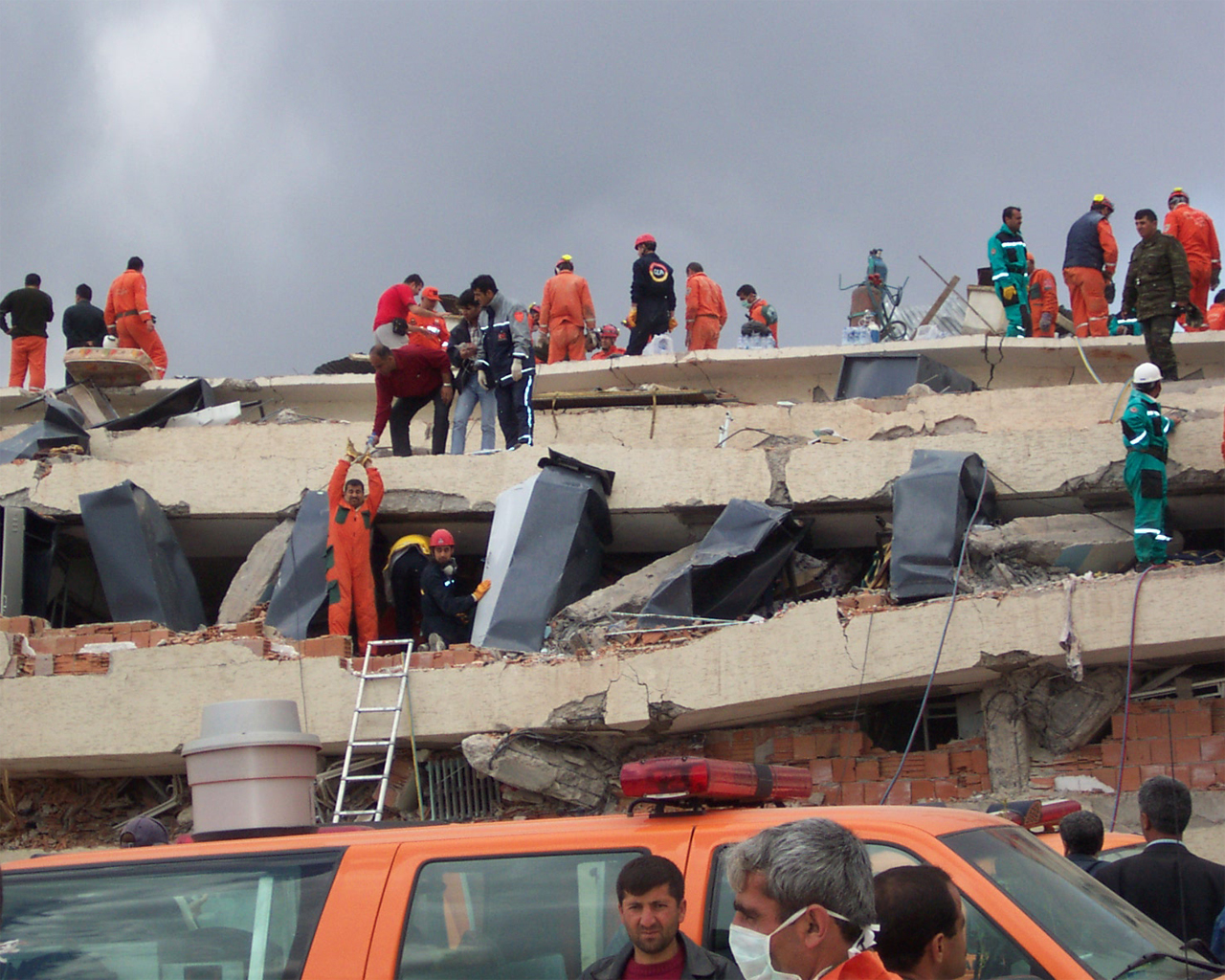
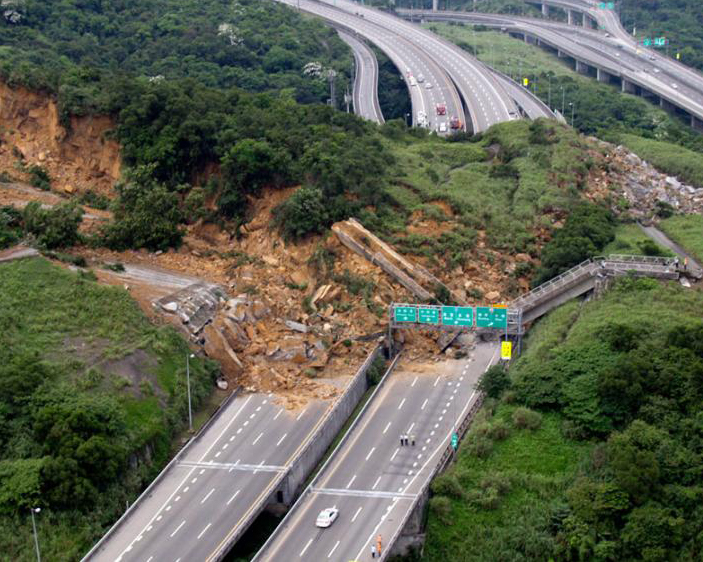
Geological engineers also study natural phenomena occurring on the Earth, including earthquakes, volcanic activity, landslides, rockfalls, liquefaction, and floods. They work to minimize the potential damage and losses these natural disasters may cause to human life and the national economy. In this context, they are involved in hazard and risk assessments; geological and geotechnical investigations for the identification, classification, and monitoring of mass movements; stability analyses and the determination of stabilization measures; as well as in addressing environmental issues such as groundwater and soil pollution and waste disposal.
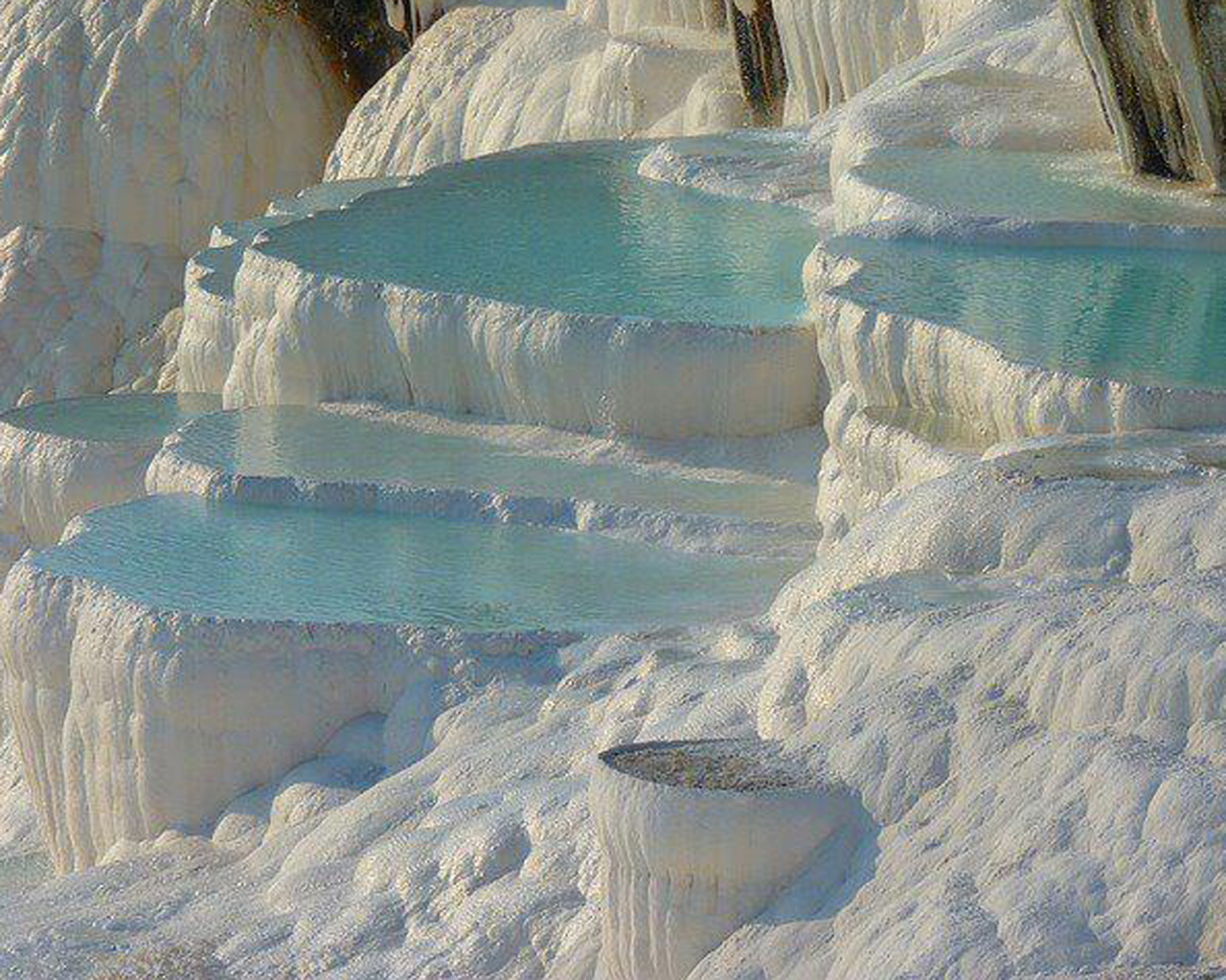
Another important field of study for geological engineers involves the identification, conservation, and integration into the national economy of areas with geosite potential and tourism value that have been formed through geological processes within the Earth. These include fossil sites, caves, canyons, glaciers, fairy chimneys, travertines, volcanic areas, and similar geological heritage sites.
In addition, geological engineers are actively involved in multidisciplinary fields such as medical geology—addressing issues related to fossil fuels, geothermal resources, arsenic, fluoride, iodine, and selenium contamination in drinking water, the effects of radon gas, and the impacts of mineral dusts such as asbestos and silica—and geoarchaeology, which focuses on the geological and geomorphological characteristics of ancient cities, subsurface resources, and natural hazard conditions.